Children’s House
The beginning of autonomy unfolds through order, beauty and trust.
A first conquest
An environment where the child can orient themselves, choose, repeat and build inner security calmly.
Children’s House cares very precisely for the child’s entrance into school life. Everything is designed so they can understand the space, anticipate what happens and gradually do more things by themselves.
Read more about this stage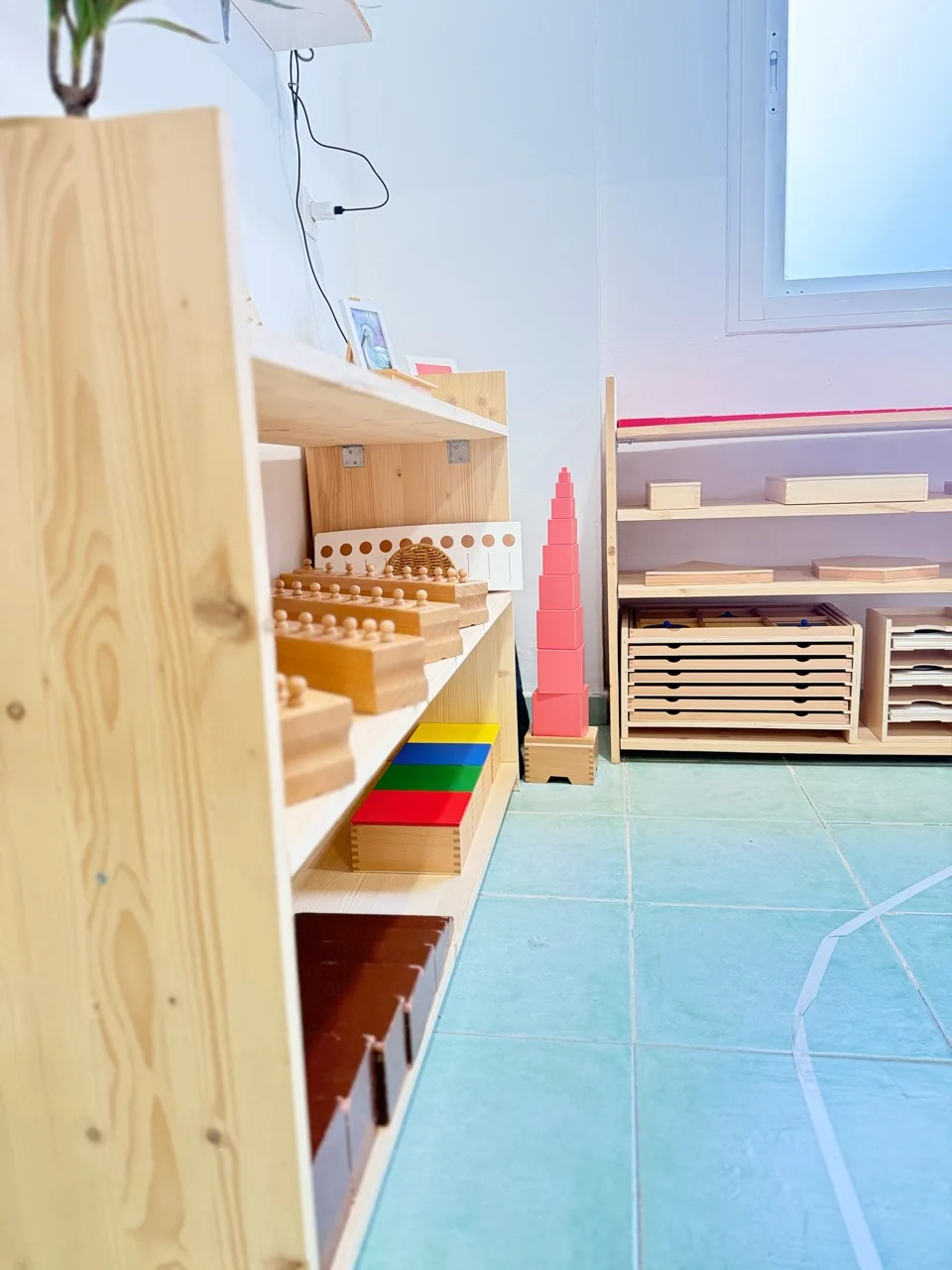
Learning here means moving with purpose, repeating with pleasure and discovering “I can.”
This stage is built through concrete actions that are highly meaningful to the child.
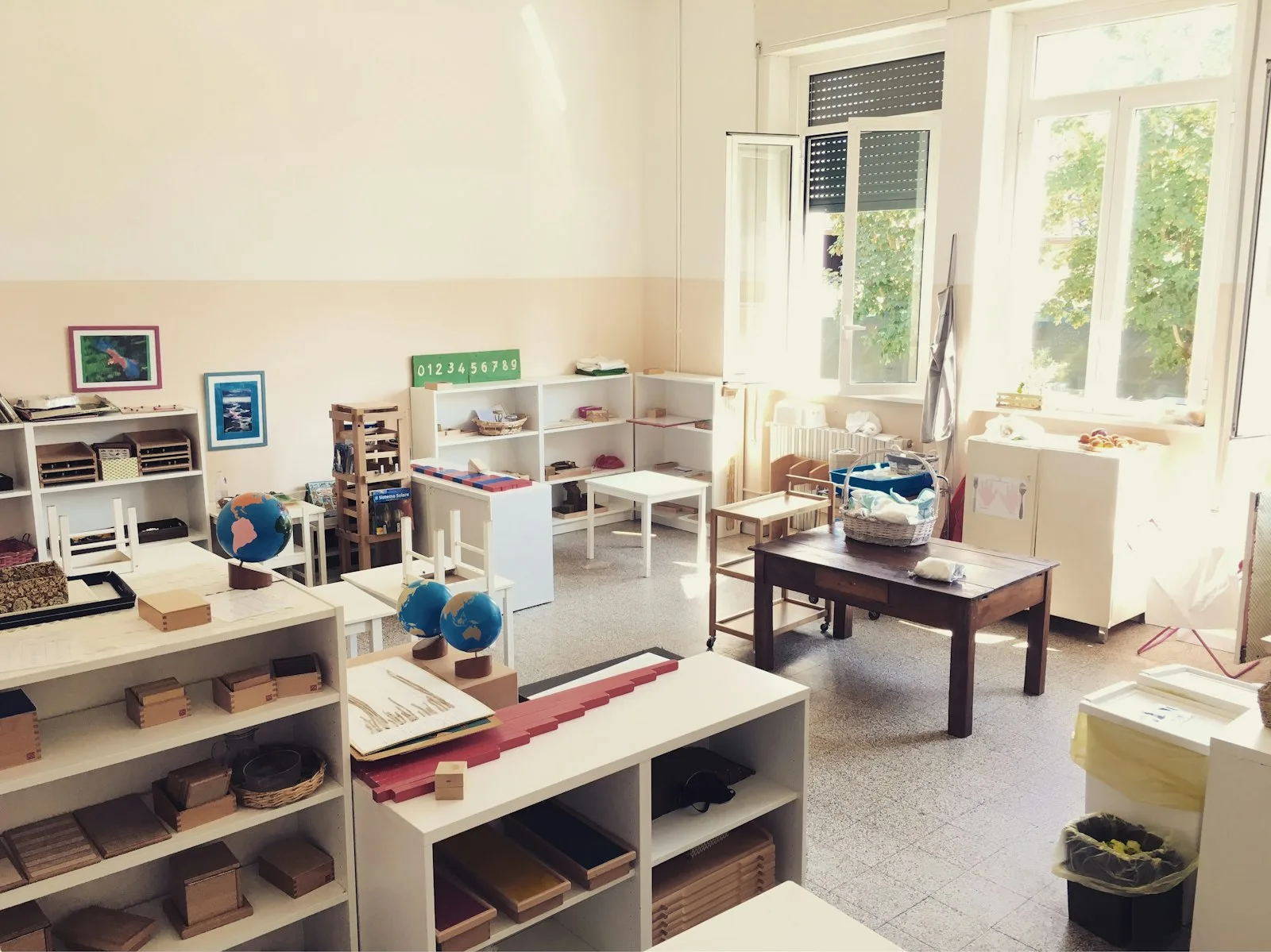
Practical life and self-care
Dressing, serving, ordering, carrying or caring for the environment consolidate coordination, attention and real self-esteem.
Educational project →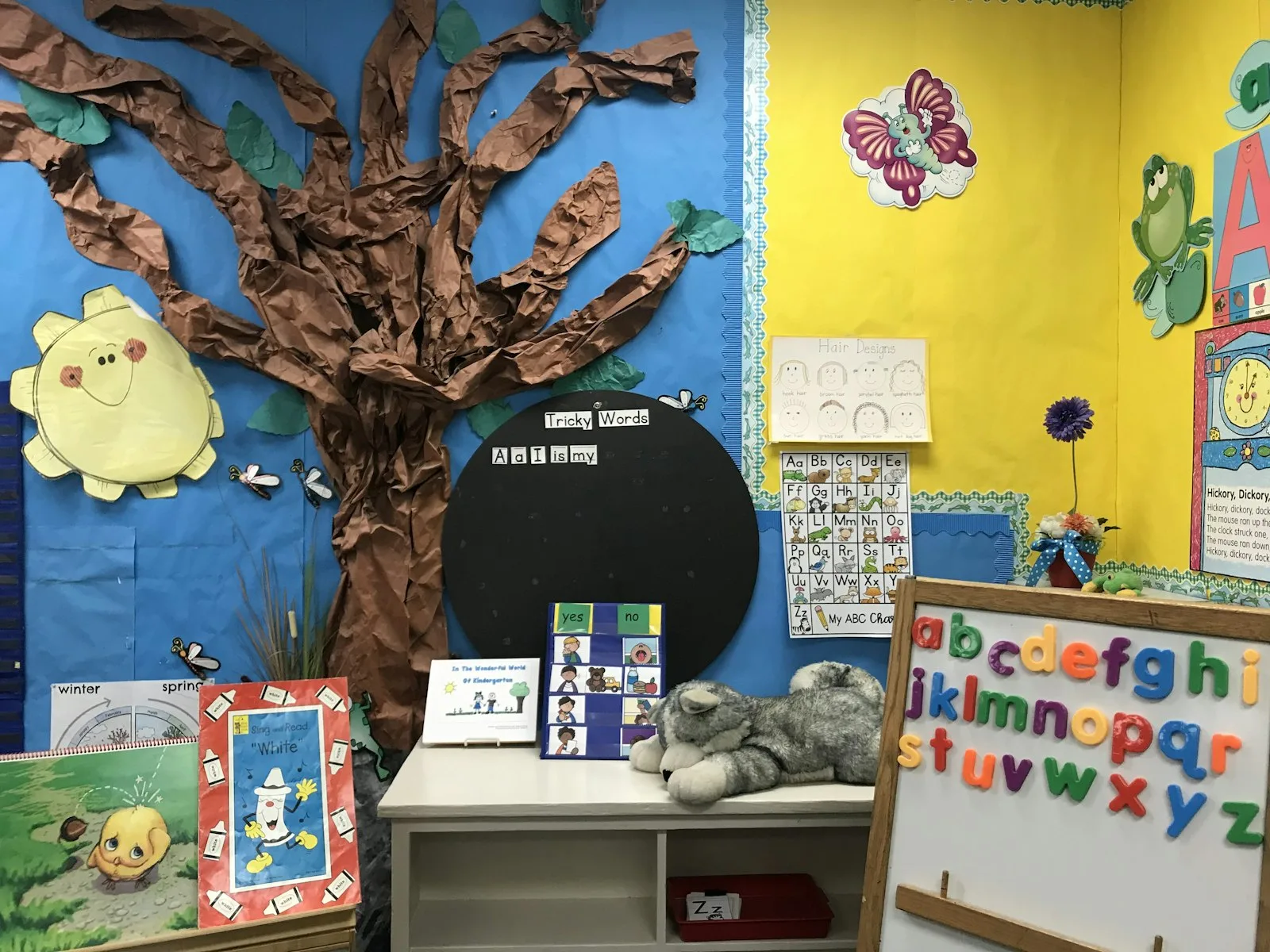
Language and sensorial thinking
Materials allow children to touch, compare, classify and name before abstracting, making learning deep and natural.
Educational project →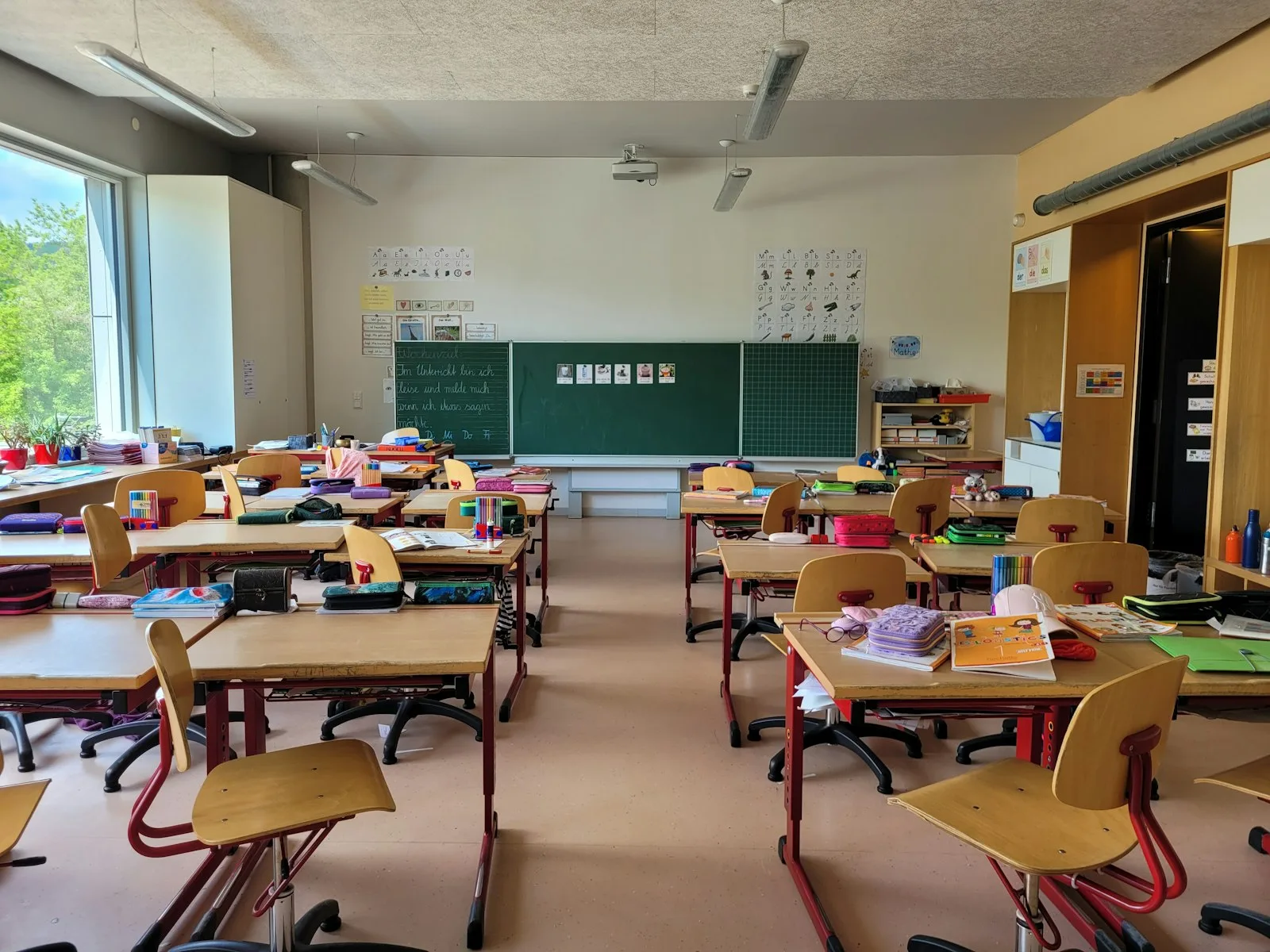
Calm community life
Shared life is learned through small gestures: waiting, observing, helping, speaking respectfully and caring for what belongs to everyone.
Educational project →
The space helps before effort is demanded.
Materials are accessible, order is legible and each proposal has a recognisable place and sequence. The environment does not distract: it invites concentration.
Life in the environment
That exterior clarity allows coordination, language, everyday autonomy and a first inner discipline to emerge through experience.
Independence begins when the environment becomes clear and welcoming for the child.
An emotional, motor and cognitive foundation that supports everything that comes next.
This stage does not aim to rush learning; it aims to strengthen the relationship with oneself, with materials and with the world.
Inner security
Repetition, order and predictability help the child trust what they do and what they can grow into doing.
Emerging concentration
Attention appears when the proposal is right, the material is well presented and the rhythm is not interrupted unnecessarily.
Joy in learning
Learning becomes deeply linked to the pleasure of understanding, mastering a gesture and participating in the life of the classroom.
Frequently asked questions about this stage
A first map to guide the conversation before visiting the school.
When can a child start Children’s House?
Entry is considered according to age, developmental moment and available places.
How is settling in supported?
It is cared for gradually, with close presence, observation and communication with the family.
What role do Montessori materials play?
They help organise experience, repeat with purpose and build autonomy through concrete work.
The best way to understand a stage is to see it in motion.
We invite you to visit the school and speak with the team about your family moment.