Maria Montessori is born in Italy, beginning an exceptional path in medicine and education.
The Montessori Method
A living pedagogy for growing with autonomy, meaning and peace.
What it means
It is not only a teaching method: it is a way of looking at human development
Montessori is an educational and social proposal rooted in respect for life and in a deep trust in human potential.
Read the Montessori perspective
It begins from a simple yet demanding idea: children do not need to be filled up, but accompanied. When the environment, time and adult presence are right, learning becomes more autonomous, deeper and more serene.
Autonomy that is built
Prepared environments with intention
Education for peace and for life
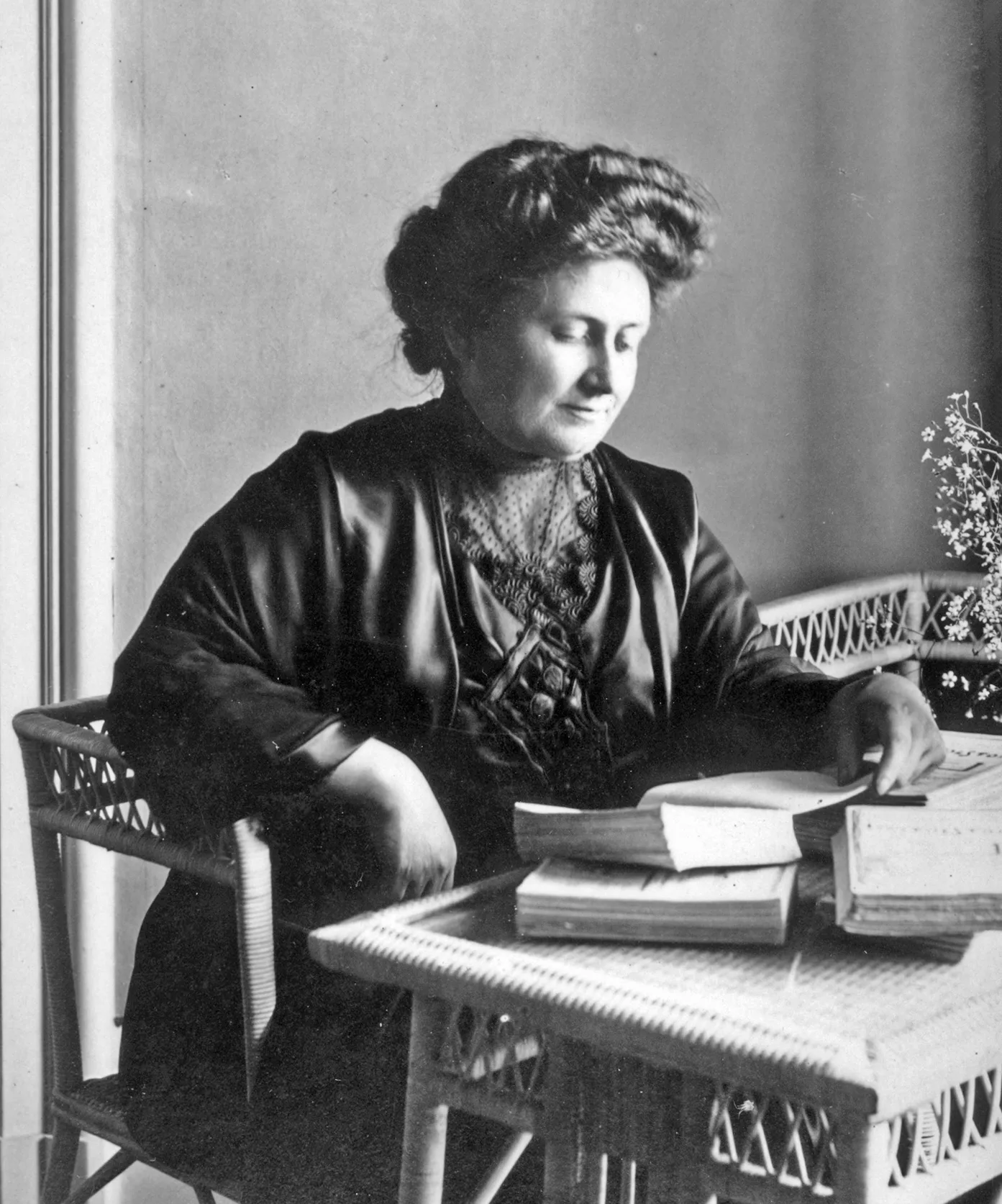
Maria Montessori
A physician and educator who changed forever the way childhood is understood
Maria Montessori was born in 1870 and became one of the first women physicians in Italy. Her educational proposal grew from rigorous observation of children and from a radical question: what happens when the adult stops imposing and starts understanding.
See the historical context
In 1907 she opened the first Casa dei Bambini in Rome. There she began to shape a pedagogy that recognises the child’s inner impulse to learn, grow and organise themselves.
Foundation of the first Casa dei Bambini in Rome, where the method takes shape for the first time.
Her voice became international and continues to shape thousands of schools that understand education as wholeness, autonomy and peace.
Conceptos clave
The ideas that support the method make more sense when they are seen in relation to one another
Whole-child development
Learning is understood as balanced growth that attends to the body, emotions, mind and social life. Education is not only about performance, but about inhabiting the world with strength and meaning.
01
Whole-child development
Learning is understood as balanced growth that attends to the body, emotions, mind and social life. Education is not only about performance, but about inhabiting the world with strength and meaning.
Caring for a plant, expressing a feeling or working with another child is also part of learning.
02
Prepared environment
The space is organised with intention: ordered, legible, stimulating and accessible. The environment does not decorate education: it supports it and makes it possible.
Materials within reach let children choose an activity, work with it and return everything to its place.
03
Autonomy and responsible freedom
Children choose, repeat, adjust their pace and learn to take responsibility for their decisions. Freedom is not the absence of limits, but the possibility of acting with discernment.
Choosing involves caring for materials, respecting the work of others and taking on small responsibilities.
04
Montessori materials
Materials invite children to discover, verify and understand through experience. Each proposal has a clear sequence and a concrete purpose.
Comparing sizes, ordering pieces or building quantities helps children discover relationships before working with symbols.
05
The adult as guide
The guide observes before intervening. They know each child’s moment, prepare the right challenge and accompany without replacing the experience the child needs to live for themselves.
A short presentation can open the way; the adult then leaves space for children to try and discover.
06
Active and sensory learning
Children learn by doing, moving, touching, classifying, naming and trying again. The abstract is first supported by a concrete and embodied experience.
Weight, texture and shape offer clues for the hands to explore and the mind to connect.
01 / 06
What it makes possible
Learning, connecting and growing
When environment, guidance and materials work together, processes emerge that go far beyond academics.
Learning better and growing better belong to the same path.
Concentration that grows from within
When the environment is well prepared, attention is not forced: it appears. Children can repeat, deepen and sustain work with pleasure.
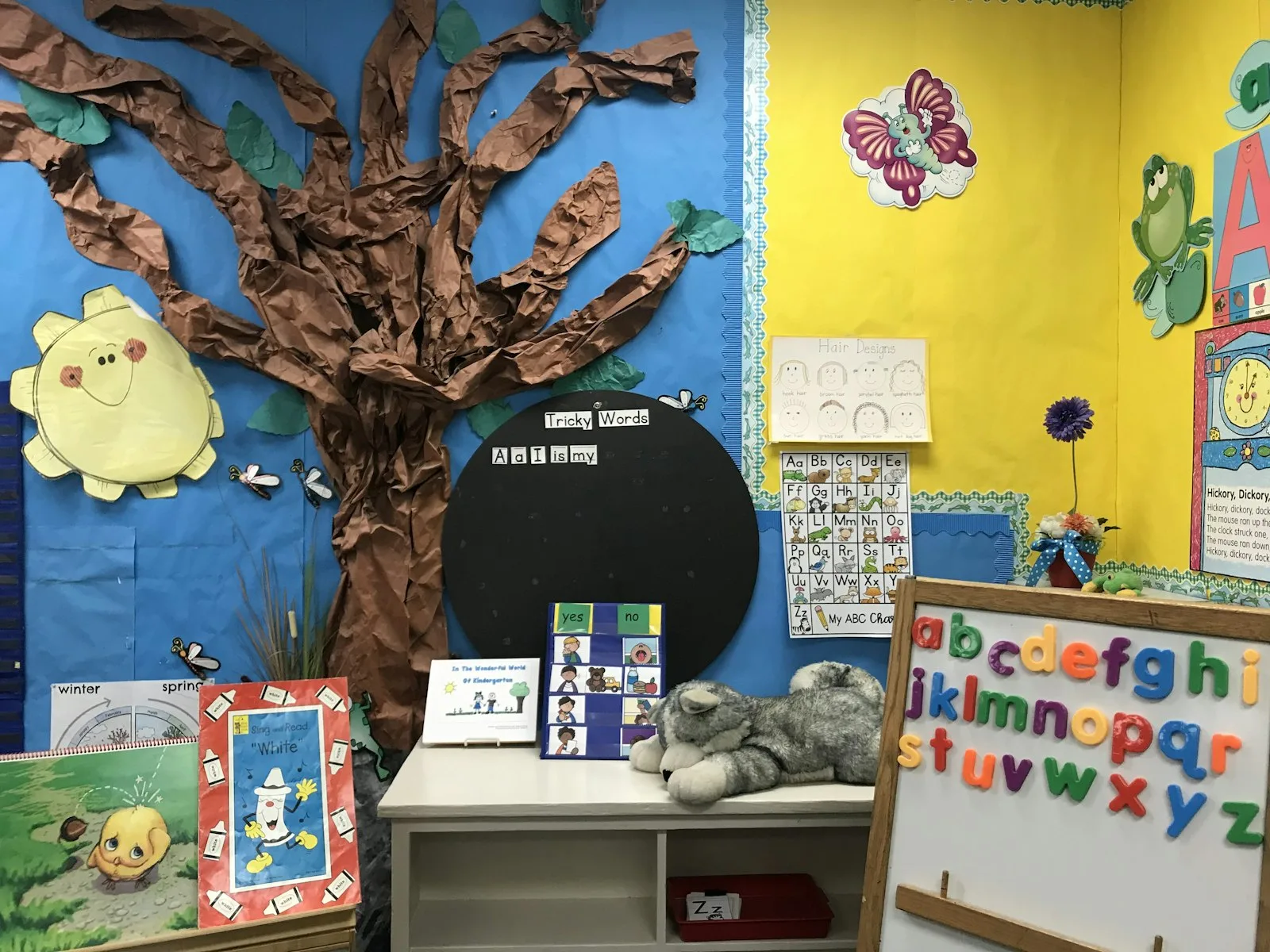
Autonomy with discernment
Choosing, trying, correcting, putting things away and beginning again are part of learning. Independence is built through concrete actions.
Relationship, cooperation and peace
Community life is learned by living with others: observing, waiting, collaborating and caring for what is shared. Peace is practised, not merely named.
Learning with meaning and continuity
The Montessori method accompanies long processes. It does not chase quick results, but a strong basis for continuing to grow throughout life.
Four planes of development
Each stage prepares the next one and needs a different form of accompaniment
The four planes of development are universal and can be distinguished physically, mentally and socially. Each stage becomes the basis for the next one. That is why the environment and the adult cannot be prepared in the same way at every moment of growth.
01
Early childhood
A stage of deep construction: movement, language, order, practical life and absorption of the environment. This is where first autonomy is built.
02
Childhood
Imagination, reason and the desire to understand the world expand. Learning gains breadth, narrative, research and cooperation.
03
Adolescence
Identity, belonging, justice and meaningful work move to the foreground. The relationship with social reality becomes decisive.
04
Young adulthood
A moment for specialisation, service and contribution. Development does not stop: it matures and takes shape in relation to one’s own life project.
Nothing in Montessori can be understood without the long arc of development.
Keep exploring
The method is truly understood when it is seen lived in a school
If you want to see how these ideas become environments, stages and daily school life, we invite you to keep exploring the project.