Elementary
Work widens: research, collaboration and larger-scale thinking begin to appear.
A new scale
Early autonomy grows into organised curiosity, shared thinking and intellectual responsibility.
In Elementary, the child no longer only needs to do things independently; they also need to understand more, connect ideas, work with others and ask broader questions about the world.
Read more about this stage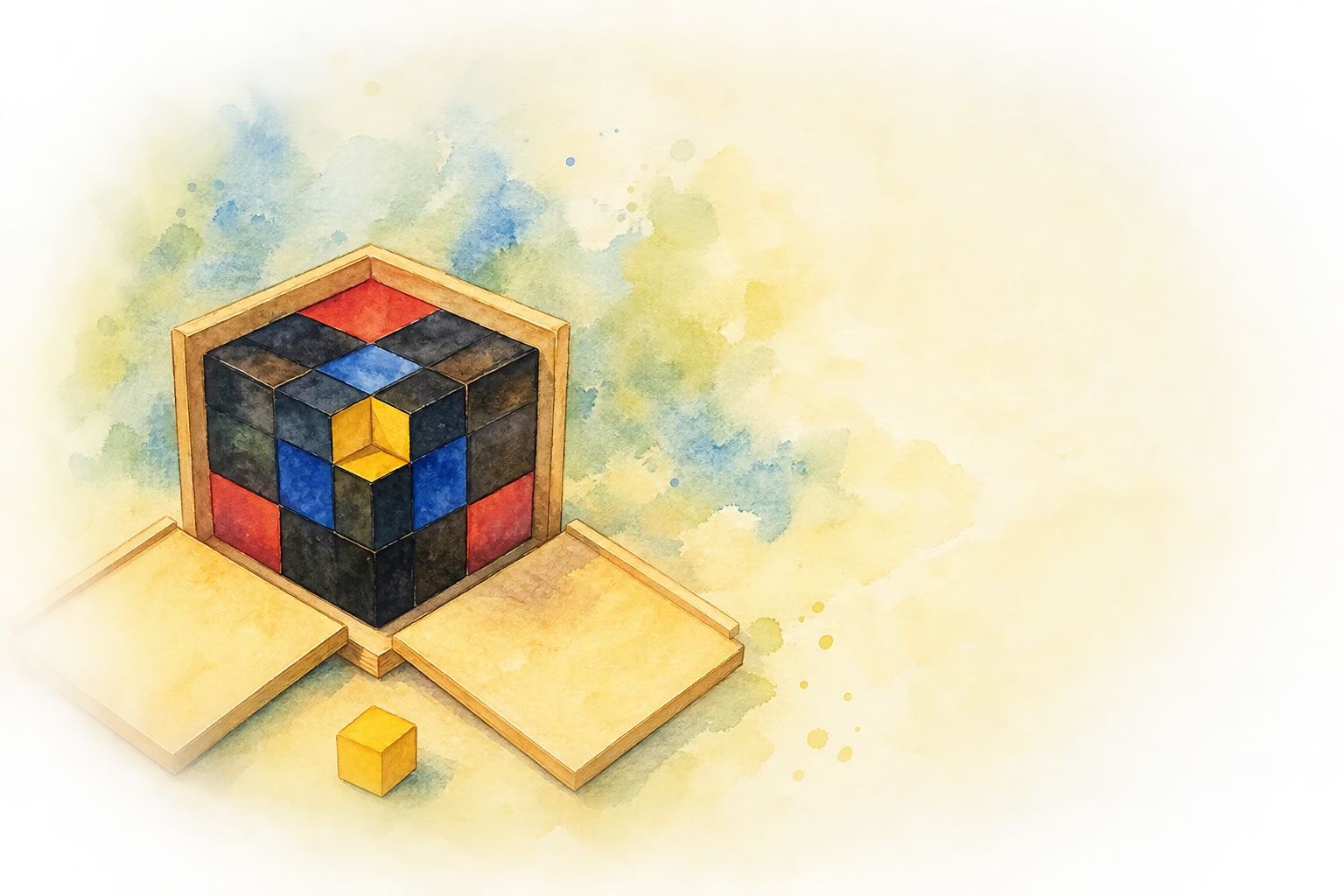
This stage opens thought without losing concreteness or the bond with doing.
Intellectual maturation is guided through work that integrates imagination, method and conversation.
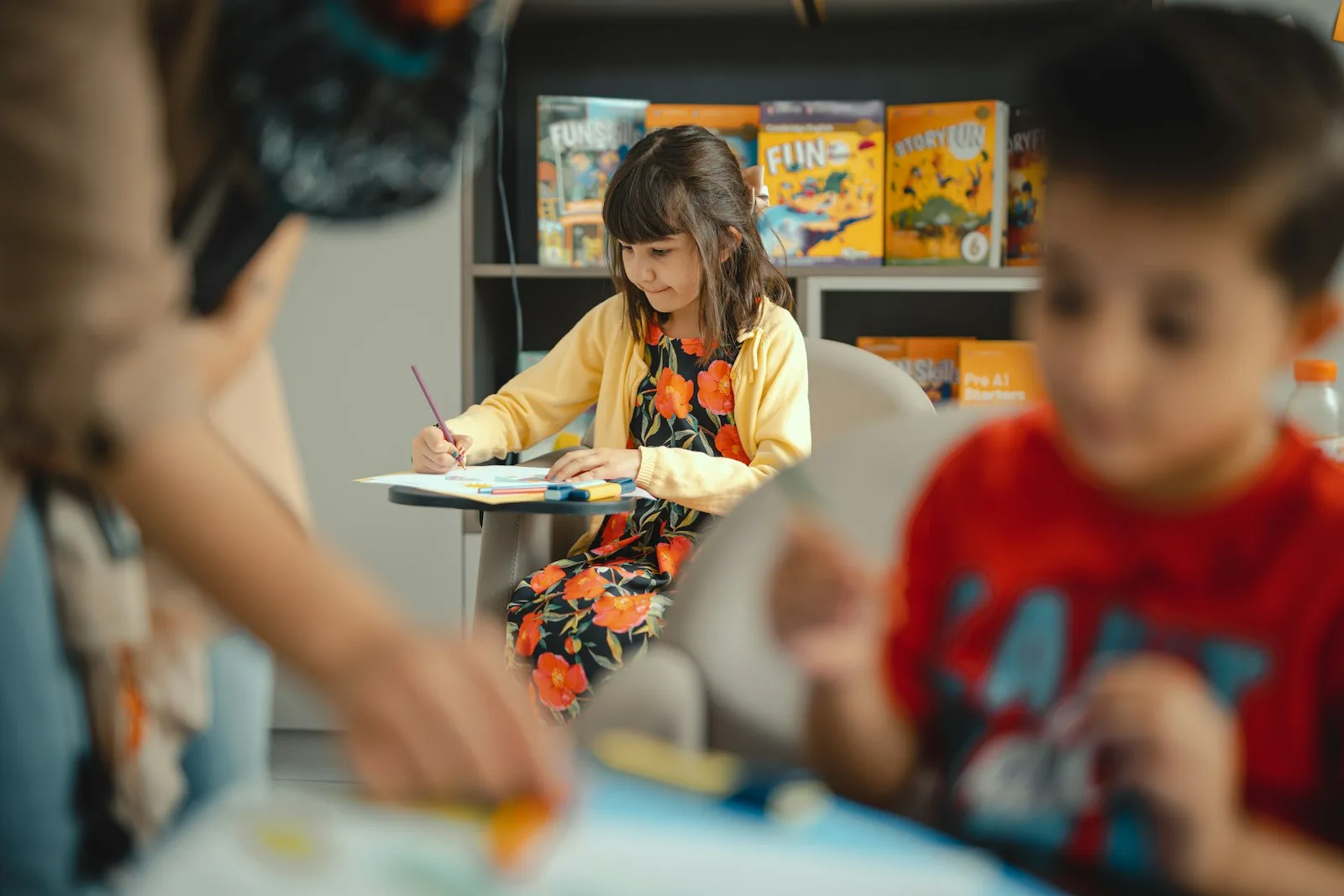
Meaningful research
Questions gain importance and children learn to search, compare, record and present with greater rigour.
Educational project →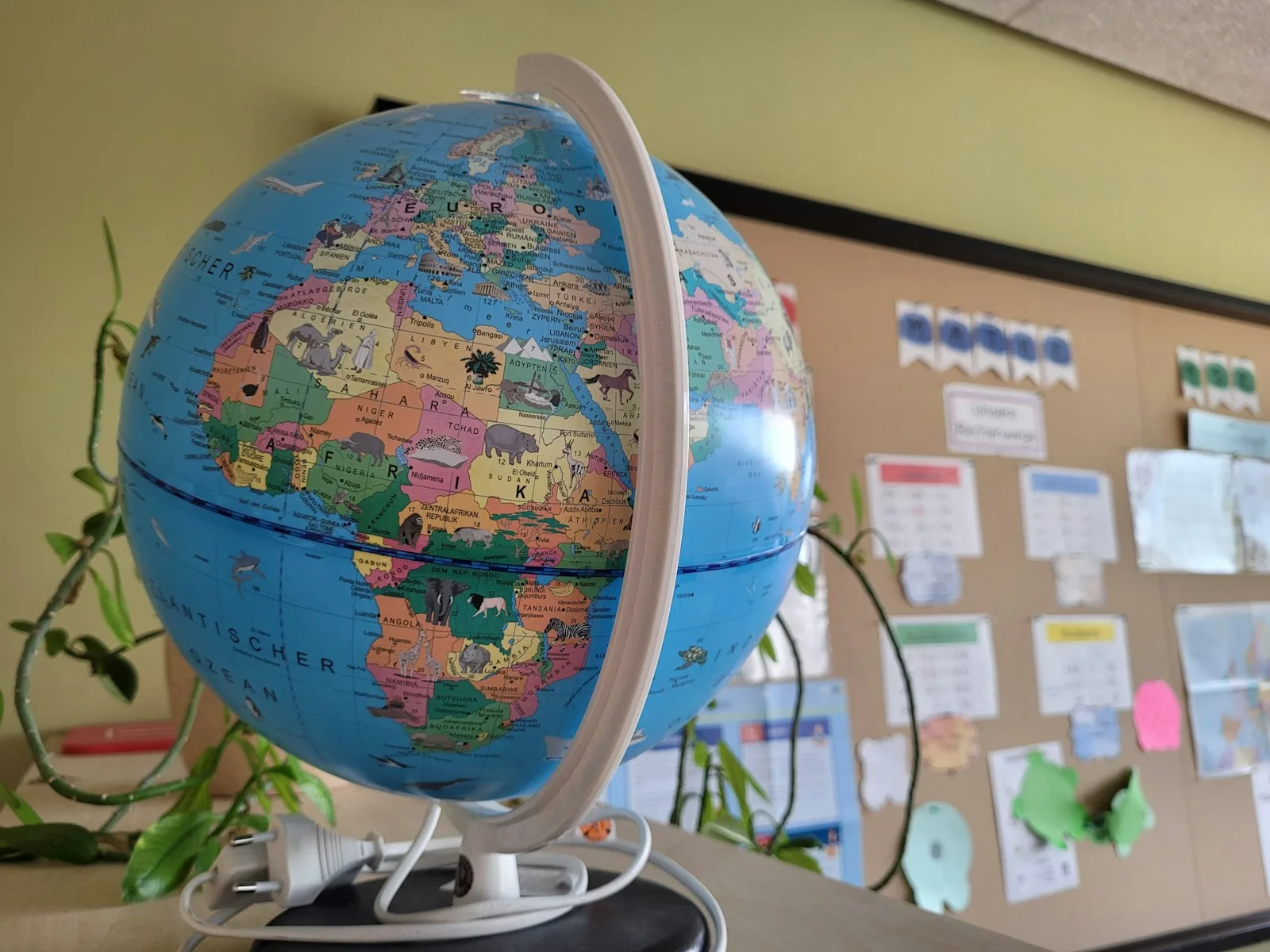
Cooperative work
Relationship with others stops being only coexistence; it also becomes shared intellectual construction.
Educational project →
More reflective autonomy
Choosing, sustaining processes and reviewing one’s own work acquire a more conscious and demanding dimension.
Educational project →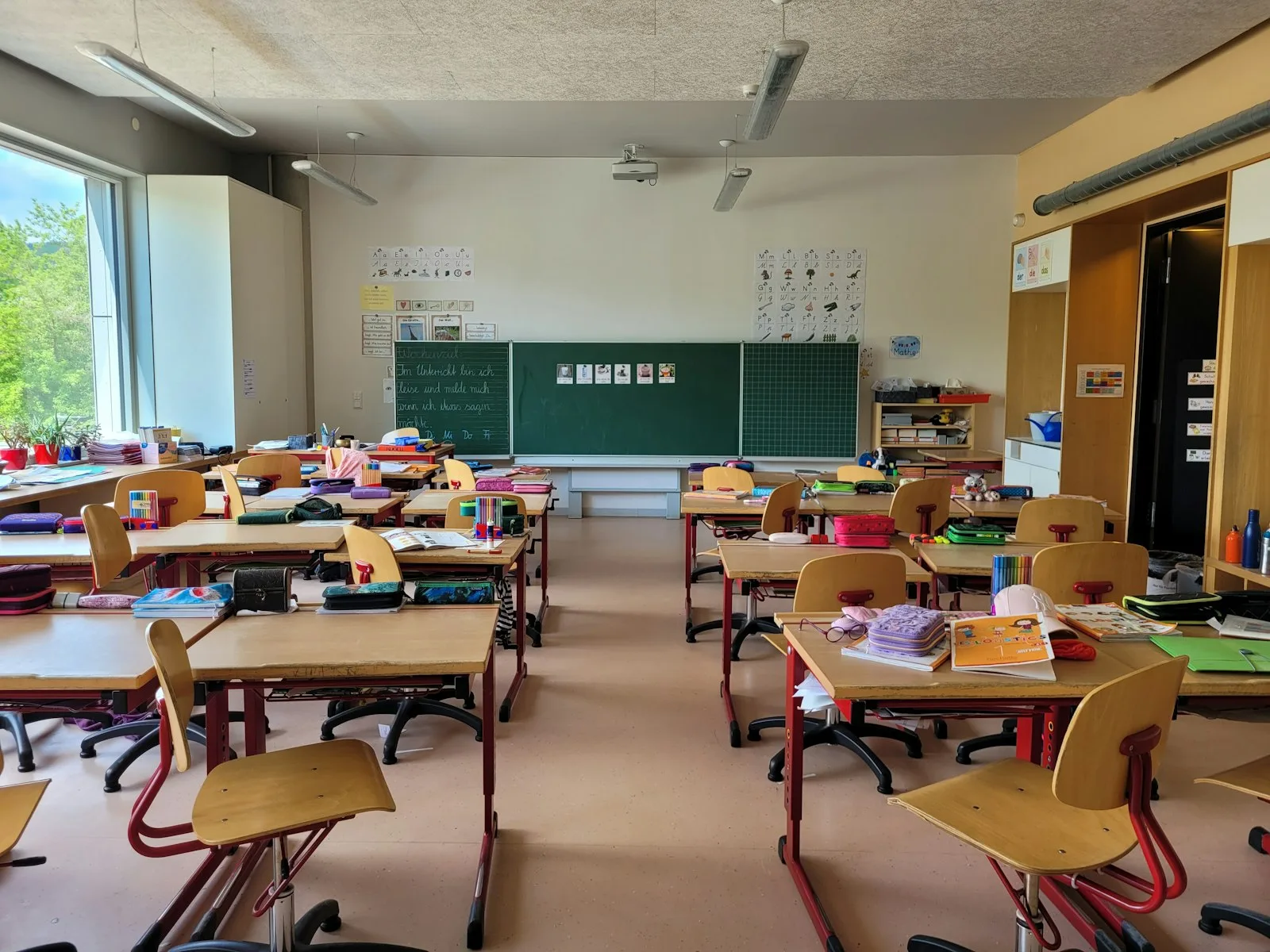
The classroom makes room for research and a more open relationship with knowledge.
The environment remains clear and ordered, but now supports broader work: consulting, recording, conversation, experimentation and shared construction.
Life in the environment
Materials continue to guide, while thought gains depth and becomes increasingly connected to culture, history, science and community.
Curiosity becomes stronger when the environment offers amplitude, method and beauty.
A childhood that learns to think broadly, work with others and situate itself more clearly in the world.
The goal is not to accumulate tasks, but to expand judgement, understanding and research capacity.
Narratives that open thought
The Montessori great stories give structure and awaken questions that later become real work.
Recording and elaboration
Writing, drawing, classifying or presenting help transform curiosity into organised understanding.
Attention to the wider environment
Learning becomes increasingly connected to culture, nature and shared life.
Frequently asked questions about this stage
A first map to guide the conversation before visiting the school.
How is work organised in Elementary?
It combines presentations, research, personal records and cooperative work with adult guidance.
Is there individual academic follow-up?
Yes. Observation and records make it possible to adjust challenges and follow each child’s progress.
How is community life developed?
Community life is developed through real responsibilities, conversation and care for the shared environment.
The best way to understand a stage is to see it in motion.
We invite you to visit the school and speak with the team about your family moment.