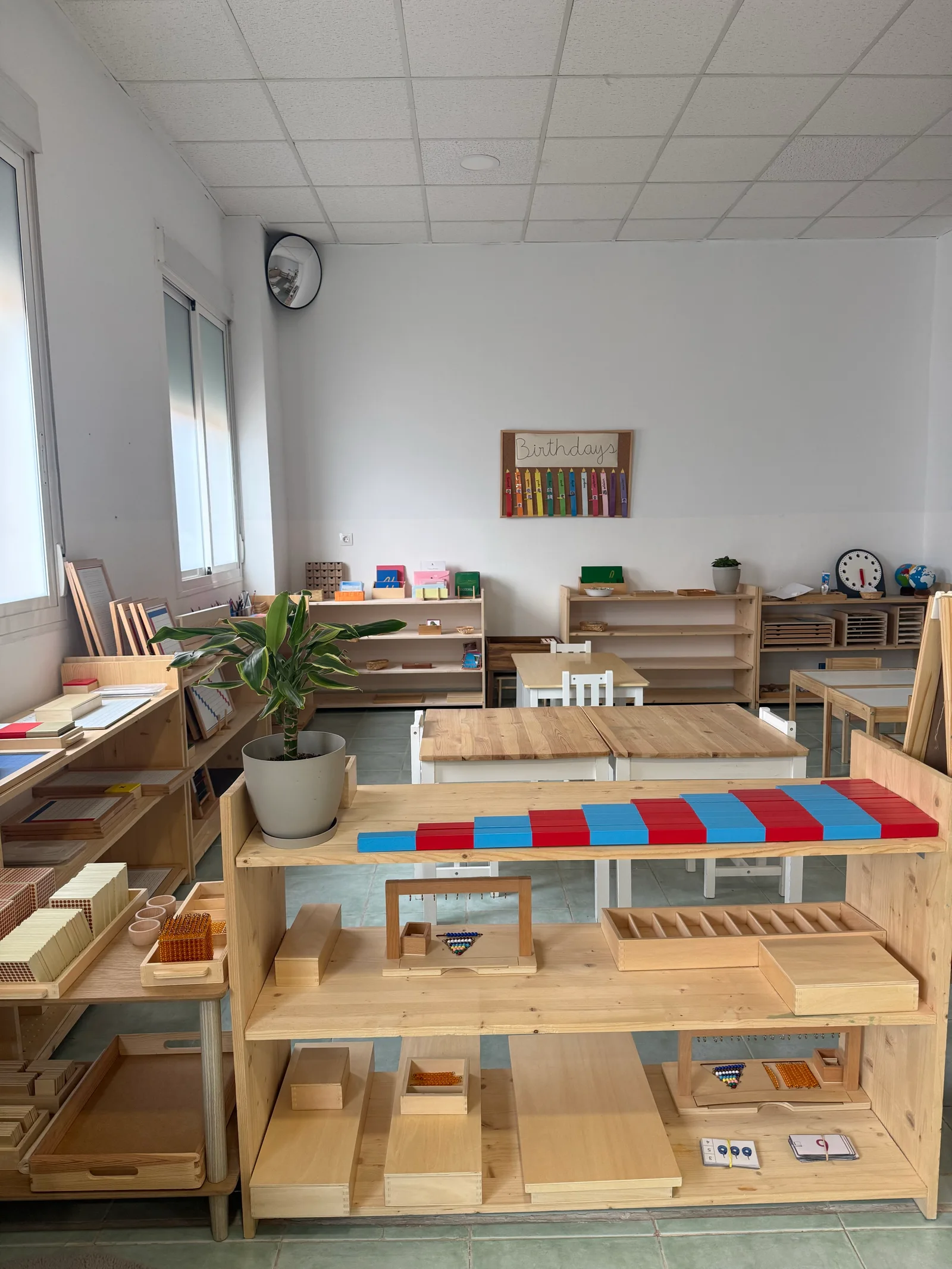
Ages 3 · 6
Children’s House
A warm and precise space where order, language, movement and practical life support the first major conquest of autonomy.
View programme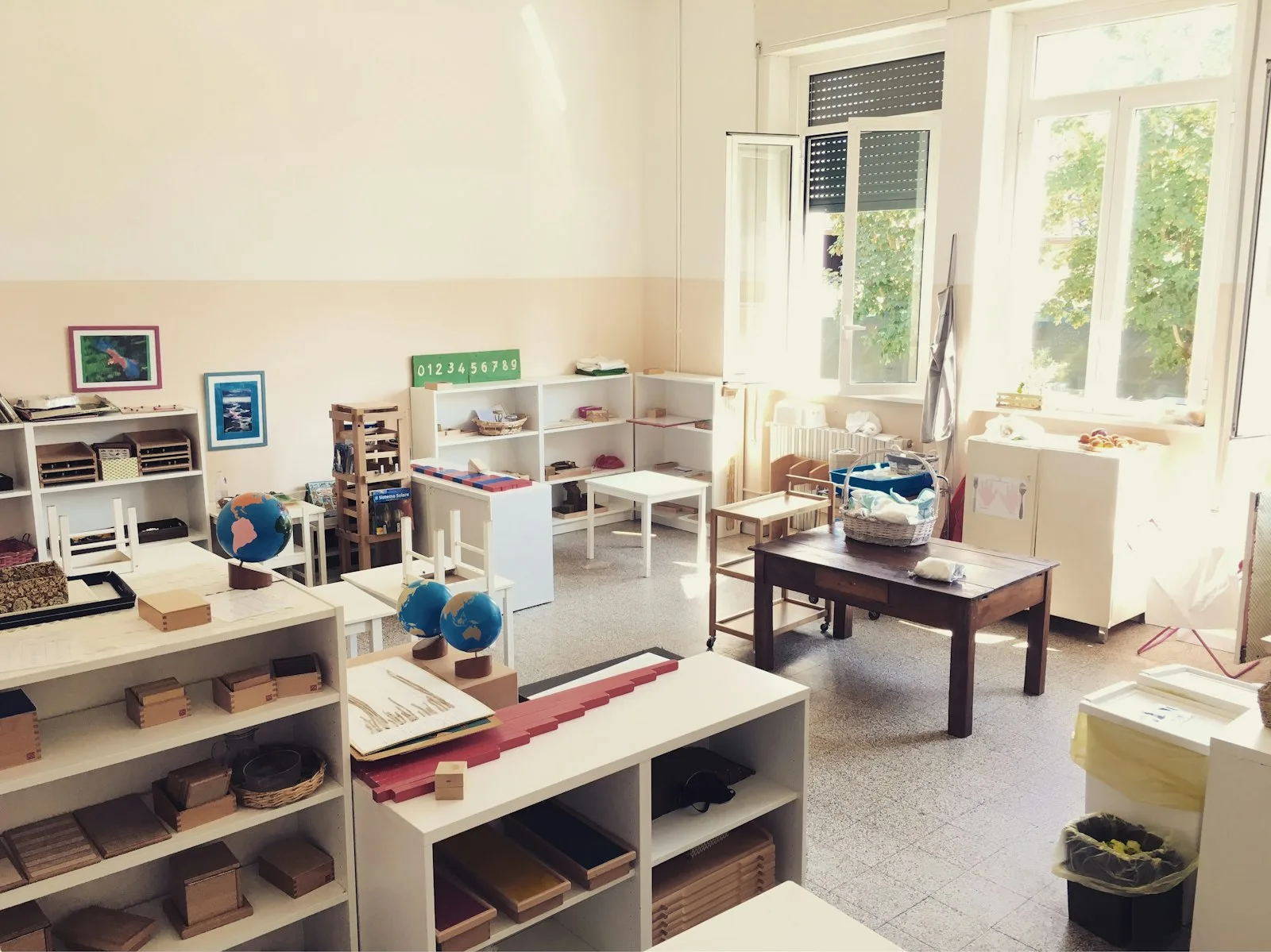
Spaces that order, support and open possibilities.
The prepared environment
A Montessori environment organises space so the child can orient, choose, repeat and deepen work without depending on the adult at every moment.
Beauty, proportion, accessible materials and the rhythm of the day are not secondary details: they are part of learning itself.
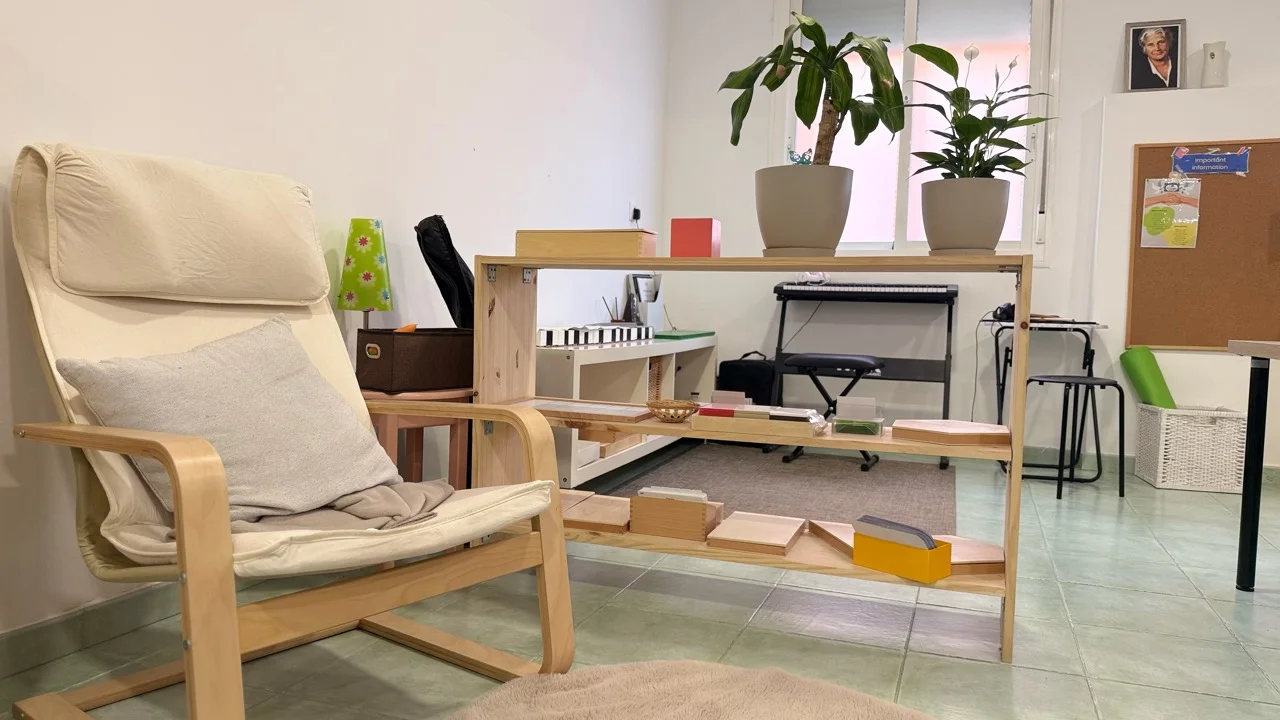
The environment does not decorate learning: it makes it possible.
Three environments, three developmental moments
Children’s House, Workshop and Adolescence share the same Montessori logic, but change in scale, rhythm, level of responsibility and relationship with the wider world.
Ages 3 · 6
A warm and precise space where order, language, movement and practical life support the first major conquest of autonomy.
View programme
Ages 6 · 12
The environment opens up to research, collaboration and structured thought. Materials continue to guide, while the work gains depth and project-based meaning.
View programme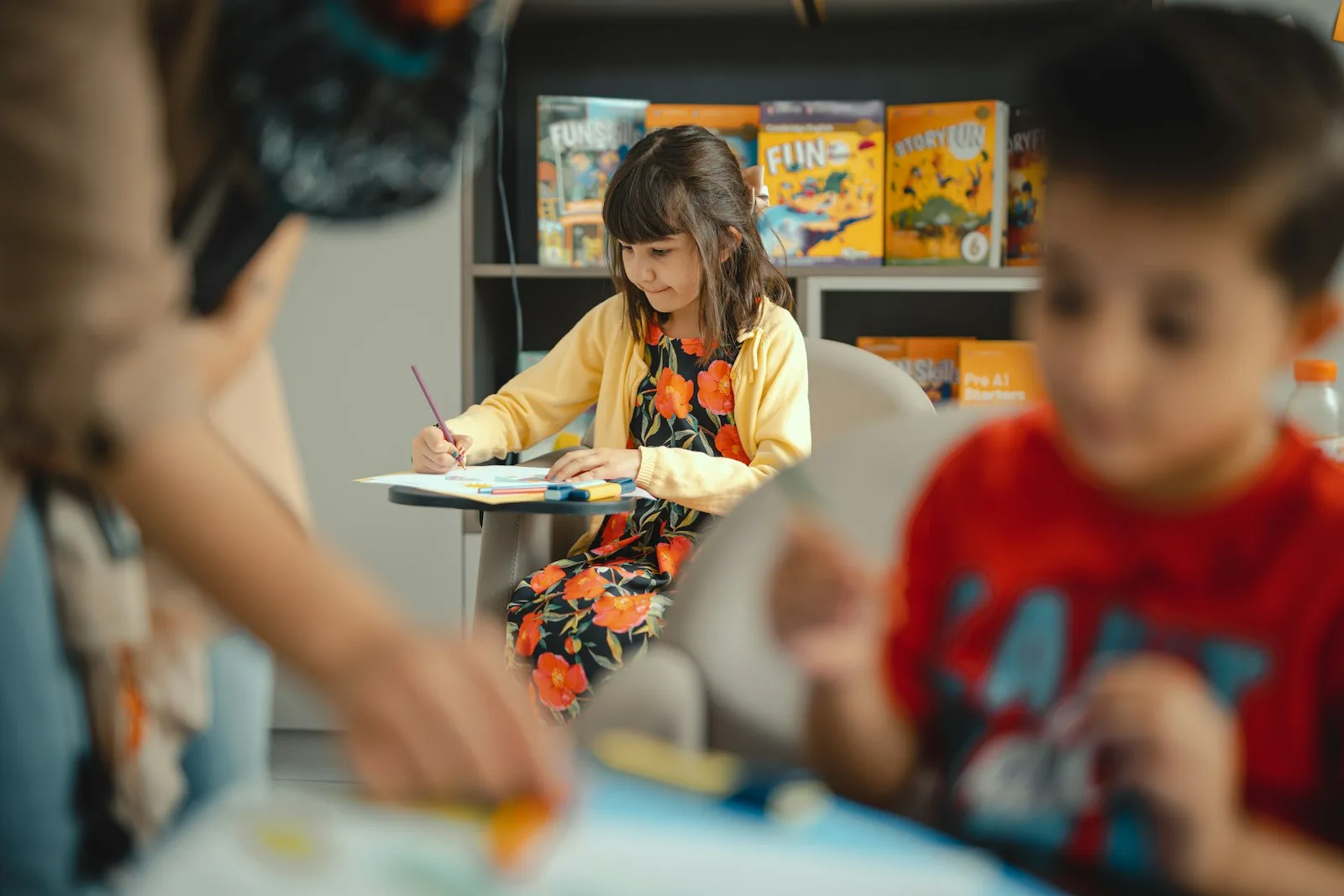
12+ years
The environment incorporates real work, growing responsibility and connection with the wider world so maturity and judgement are not limited to academics.
View programme
How work happens
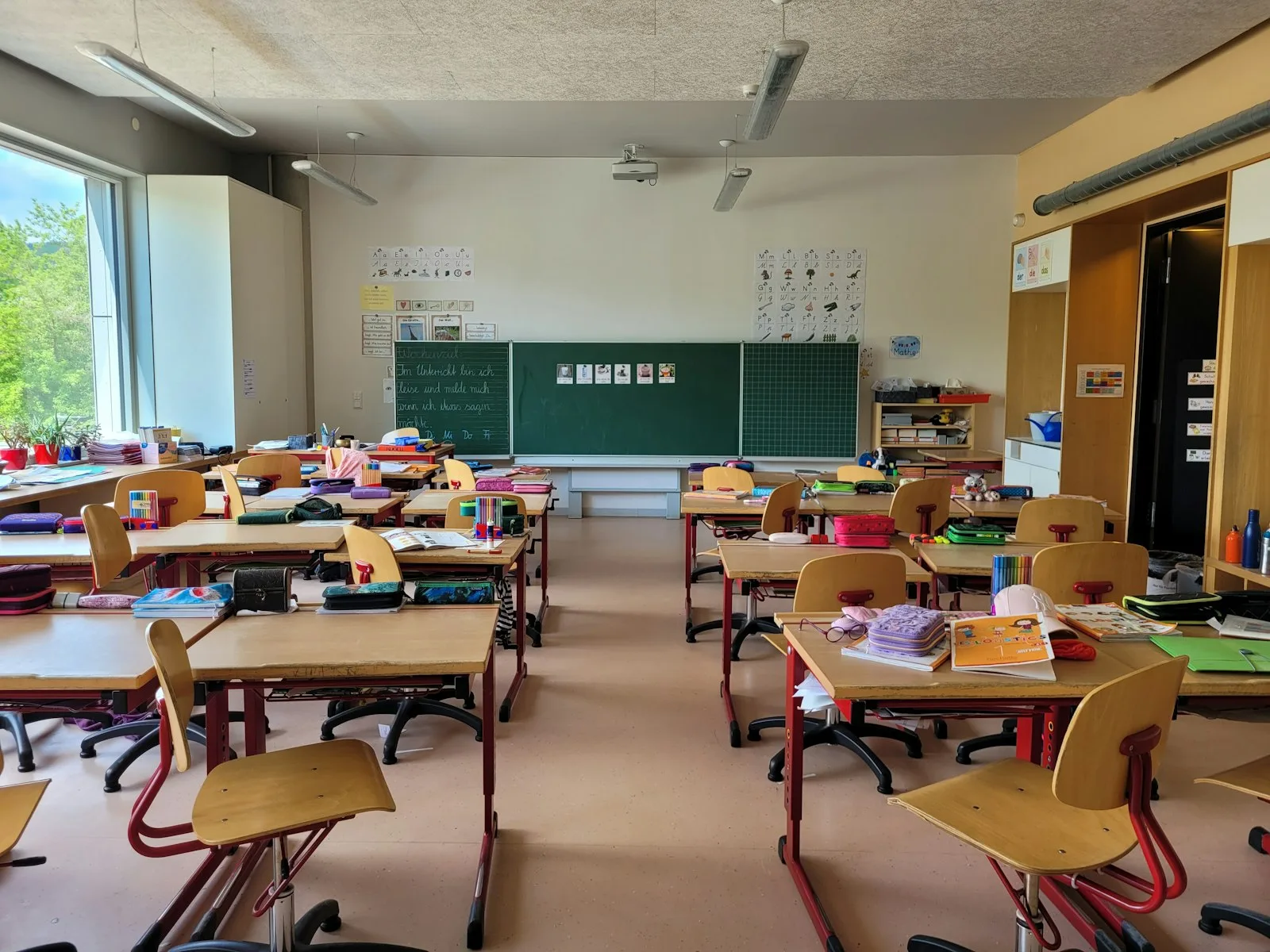
A Montessori environment does not work through an accumulation of objects, but through a precise organisation of space, time and adult presence. Everything is shaped so the child can act with purpose, repeat and concentrate.
Each activity has a place, a logic and a progression. That makes it possible to choose autonomously without losing the thread of learning.
Adult presence does not invade: it accompanies, calibrates challenge and protects concentration whenever needed.
Children need continuity to go deep into work. That is why the environment cares for transitions, rhythm and the respectful use of space.
What the environment makes possible
A strong environment does not rush children: it supports them. And precisely for that reason it enables concentration, autonomy, care for others and a quiet joy in learning.
Space and rhythm help children go deep, repeat and complete work with purpose.
Children can choose, care, tidy up and begin again without always depending on an external instruction.
Clarity in space creates security, guides action and supports emotional regulation.
Community life is built through concrete gestures: waiting, observing, respecting the work of others and caring for what is shared.
Thoughtful ratios
We care for ratios so observation, challenge and guidance can happen with closeness. It is not only about how many students there are, but about the quality of presence that can be sustained throughout the day.
More observation, less hurry.
Reduced ratio
to support closely
Present adults
who observe, adjust and sustain the rhythm
Real follow-up
of work, relationship and process
The wider setting also educates
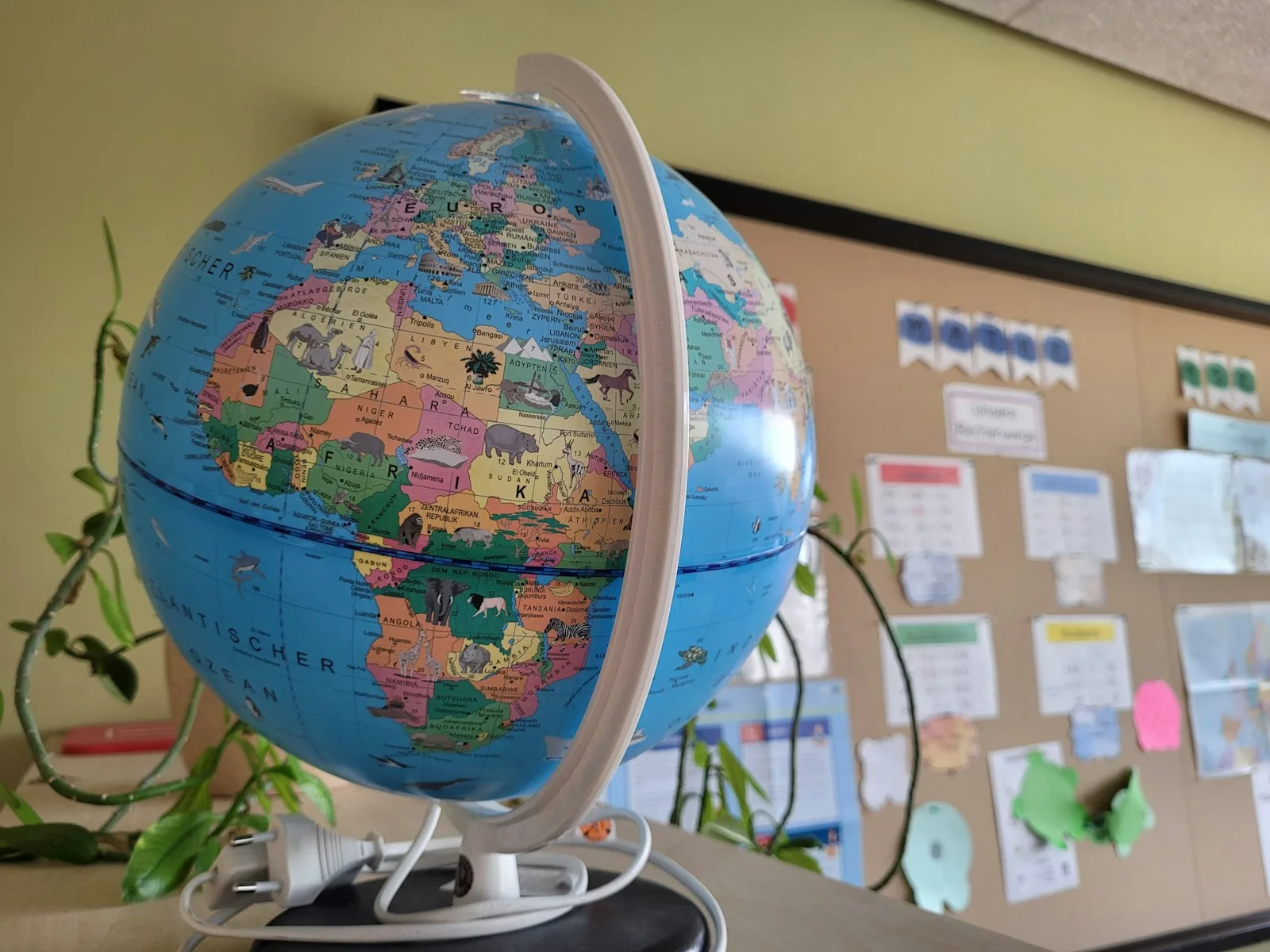
The environment does not end inside the classroom. It is also shaped in the relationship with the outdoors, the entry of light, daily movement and a school life connected with time and the seasons.
Keep discovering
If you want to understand how this proposal is truly lived, we invite you to explore the programmes and visit the school.

Montessori education with warm guidance, pedagogical rigour and a digital experience designed to grow with the school.